
Connected systems have a cultural dimension that's often overlooked in technical discussions. How people use networks, what norms emerge within digital communities, what values are embedded in platform design—these cultural factors shape how technology actually functions in practice. Understanding the cultural layer of connected systems is essential for understanding how digital infrastructure influences society.
Culture and Technology Co-Evolution
Technology and culture are not separate domains—they co-evolve continuously. When email became ubiquitous, new cultural norms emerged about response time expectations, the informality appropriate for email communication, and the distinction between email and other communication channels. These norms weren't programmed into email software; they emerged from how people actually used the medium.
Similarly, social media platforms have developed distinctive cultures. Twitter is known for rapid-fire exchanges and brevity. LinkedIn is more professional and formal. TikTok is playful and creative. These differences result partly from platform affordances—the technical features available—but equally from cultural norms that developed among users. Newcomers to each platform quickly learn the expected behaviors through interaction with existing community members.
This co-evolution means that technology doesn't simply cause cultural change—rather, technology and culture shape each other. Platform designers create affordances that enable certain kinds of interaction, but communities of users determine which affordances become culturally significant and how they're actually used.
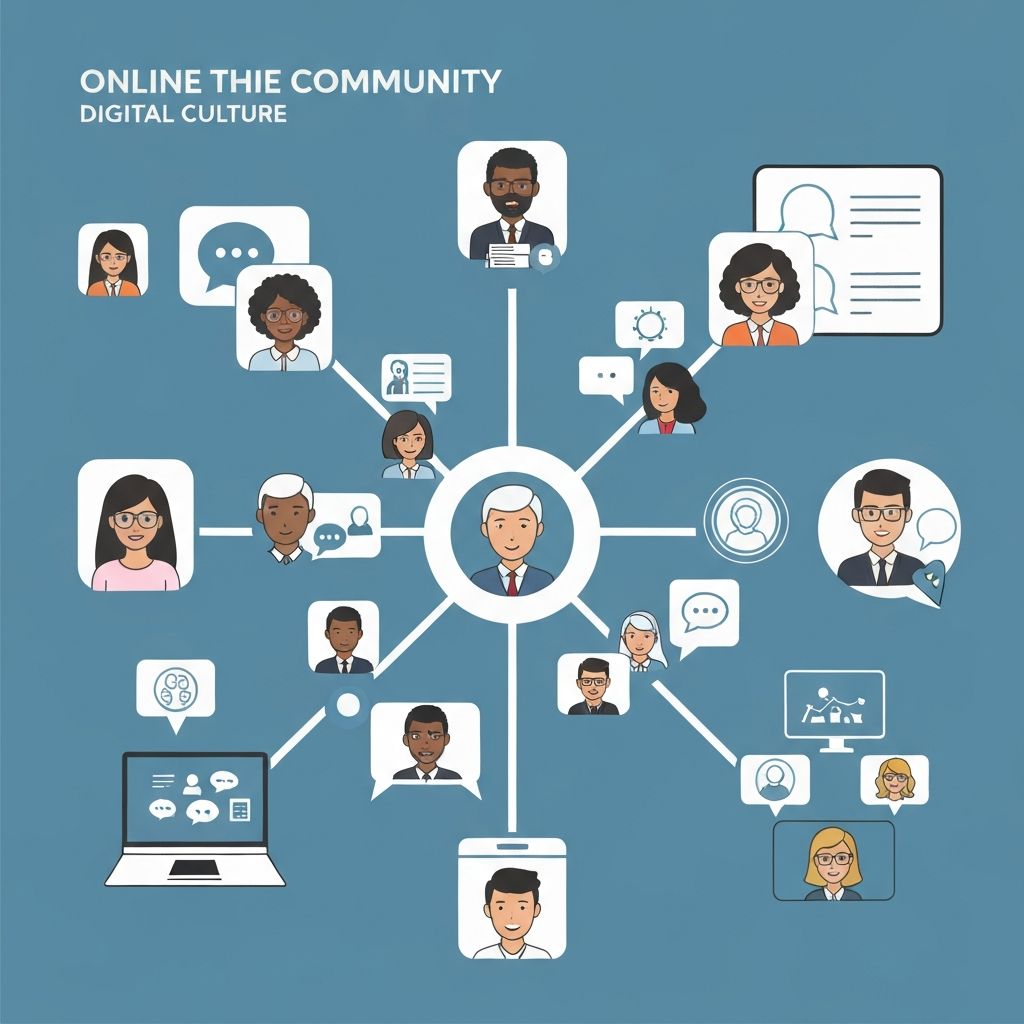
Values Embedded in Technical Design
Every technical system embeds values in its design. Email's architecture values privacy between sender and recipient. But email systems can be designed to enable or prevent mass surveillance. Cryptocurrency systems value decentralization, but they're often concentrated in practice. Social media platforms could be designed to emphasize connection or engagement—different values lead to different design choices.
These embedded values are often invisible until they're violated. People don't think about the value of privacy in email until they learn about NSA surveillance. They don't question platform design until algorithmic systems produce harmful outcomes. Making values explicit—understanding what technical choices prioritize and what they sacrifice—is important for meaningful public conversation about technology design.
This is why different platforms produce different cultures even when they serve similar purposes. Twitter's emphasis on public conversation, algorithmic amplification, and rapid feedback creates a different cultural dynamic than email's emphasis on private, directed communication. The cultural differences emerge not from abstract ideas but from the technical architecture.
Resistance and Counter-Cultures
Digital communities have produced their own resistance practices and counter-cultures. When mainstream platforms became increasingly commercial and algorithmic, some communities moved to alternative platforms. When platforms deleted communities the creators deemed inappropriate, those communities often relocated to other platforms that were willing to host them.
Internet culture has produced traditions of anonymity, pseudonymity, and self-governance. Early internet communities developed codes of conduct and moderation practices to manage community behavior. These practices weren't handed down from above—they emerged from communities figuring out how to coordinate around shared norms.
Understanding these practices is important for understanding digital infrastructure. The technical systems work a certain way, but communities develop cultural practices that operate around, against, or despite the systems. Effective platform design requires understanding both the technical layer and the cultural layer.

Global Variations in Network Culture
Network culture is not uniform globally. Different regions and communities have developed distinctive practices around digital communication and online interaction. East Asian internet culture has distinctive characteristics around collective behavior and entertainment. Eastern European hacker culture has different values and practices than North American tech culture. Latin American digital activism has unique characteristics.
These cultural differences matter for how platforms develop and how people experience digital systems. A platform designed in Silicon Valley with Silicon Valley cultural assumptions may not serve communities with different cultural norms effectively. Imposing a single technical system across diverse cultures flattens those cultural differences and privileges whoever's cultural values are embedded in the system's design.
This creates tension between the global reach of digital networks and local cultural specificity. How can globally-scaled systems respect local cultural variation? How can communities maintain distinctive cultural practices when using systems designed elsewhere? These questions don't have easy technical answers—they require ongoing negotiation between system designers and user communities.
The Future of Network Culture
As digital systems become increasingly embedded in everyday life, understanding network culture becomes more important. The norms that emerge around AI assistants, around virtual reality, around decentralized systems will shape how these technologies are actually used in practice. Communities will develop practices that both enable and resist how systems are designed.
This suggests that fostering healthy network culture is as important as developing better technical systems. Investment in community governance, support for cultural research, and platforms that enable community expression and self-determination are infrastructure investments just as important as fiber optic cables and data centers.
Conclusion
Connected systems have a cultural layer as important as their technical infrastructure. The norms that emerge, the values embedded in design, the resistant practices that communities develop—these cultural factors shape how technology actually functions in practice. Understanding digital infrastructure requires attending to both the technical and cultural layers, recognizing that technology and culture co-evolve rather than existing in separate domains.