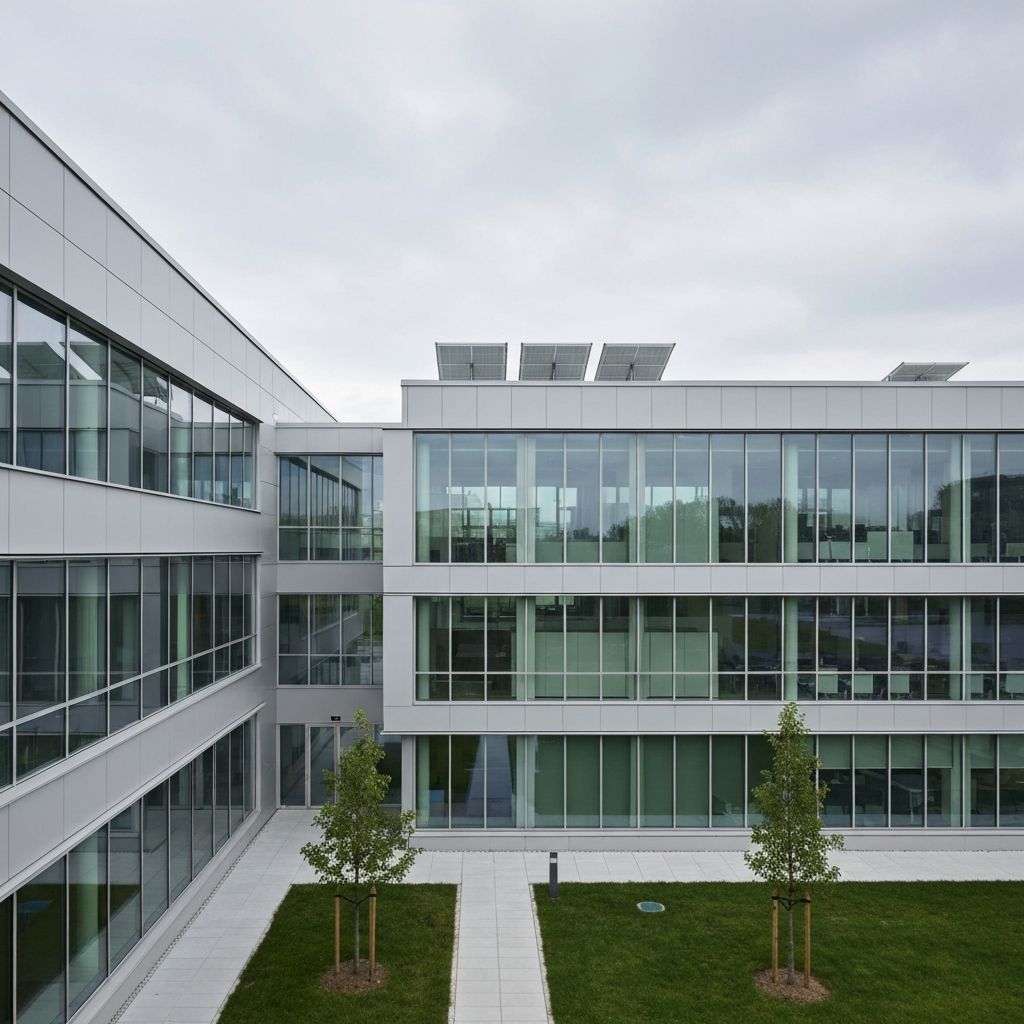
Technology cycles move quickly—companies emerge and disappear, platforms rise and fall, protocols become obsolete. Yet infrastructure endures. A fiber optic cable installed today might serve communities for fifty years. A technical standard adopted now will shape possibilities for innovation for decades to come. Building digital infrastructure for long-term public value requires a different mindset than optimizing for quarterly returns or the next funding round.
The Infrastructure Timescale Problem
Most digital companies operate on short timescales. Venture capital funding runs in five to seven year cycles. Stock market investors measure performance quarterly. Platform companies optimize for growth and engagement in the immediate term. These short timescales make sense for companies competing for market share and investor returns.
But infrastructure has different requirements. Physical infrastructure—roads, electricity networks, water systems—is designed to function for decades or centuries. Technological infrastructure should operate similarly. A technical standard that's good for five years might become a liability if locked in for fifty. A network architecture optimized for 2025 might be inappropriate for 2075.
This mismatch creates problems. Companies build platforms with short-term profit motives, which can lock communities into dependencies that persist long after the original service provider cares about maintenance. Protocols become standardized before their long-term implications are fully understood. Infrastructure decisions are made based on current market conditions rather than long-term public needs.
Lessons from Historical Infrastructure
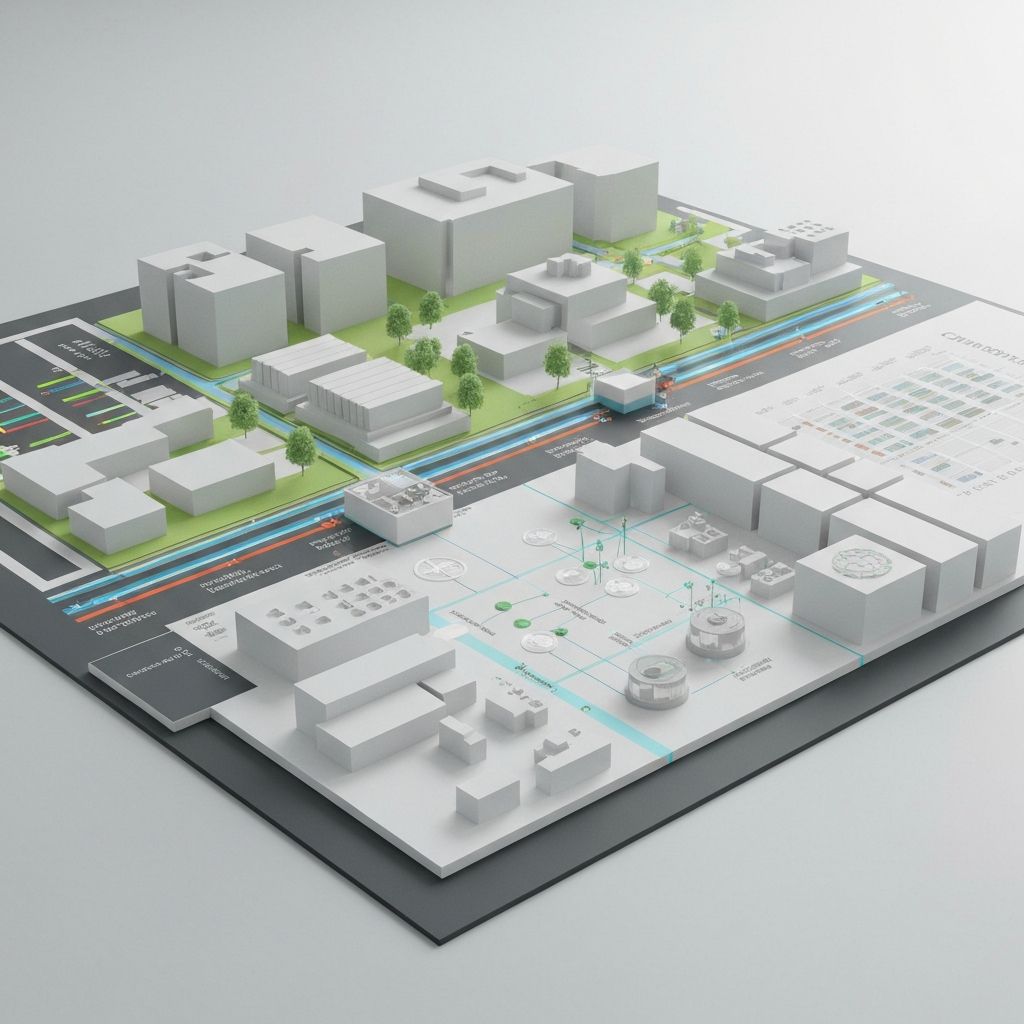
Looking at how societies have built lasting physical infrastructure provides useful insights. When communities built transportation networks, water systems, and electricity grids, they typically planned for fifty-year lifespans and investments that would pay off over decades. This required long-term commitment and willingness to absorb losses in early years to establish infrastructure that would serve future generations.
These decisions often involved public investment and governance—not because market forces were incapable of building infrastructure, but because the long timescales required political commitment beyond what market actors could provide. Public institutions could make investments that took decades to generate returns, in a way that private, profit-seeking firms typically could not.
This same logic applies to digital infrastructure. Building systems optimized for long-term public value rather than short-term profit requires institutional arrangements oriented toward public benefit. This might mean public investment in critical infrastructure, regulatory frameworks that encourage long-term thinking, or governance structures that protect infrastructure decisions from short-term market pressures.
Long-Term Sustainability and Maintenance
A significant challenge with digital infrastructure is ensuring it's maintained and updated over time. Physical infrastructure requires continuous maintenance and periodic replacement of worn components. Digital infrastructure requires similar ongoing work: updating systems to address security vulnerabilities, maintaining compatibility as other systems evolve, adapting to changing usage patterns.
This maintenance work is often less visible and less valued than building new systems. But it's essential for long-term functionality. Critical internet infrastructure maintained through community efforts, open source development, and institutional stewardship has proven more durable than proprietary systems maintained only while commercially profitable.
Building for long-term maintenance means investing in documentation, supporting communities of maintainers, and structuring systems so they can be maintained by multiple organizations if necessary. It means resisting the temptation to over-optimize for current conditions in ways that make future adaptation difficult.
Avoiding Lock-in and Technical Debt
One cost of short-term thinking is technical debt—when systems are built in ways optimized for immediate needs at the cost of future flexibility. This creates lock-in situations where systems become difficult or impossible to change because they're embedded in larger infrastructure.
Proprietary systems with unclear governance create lock-in risks. If a single company controls critical infrastructure and later changes its business model or goes out of business, communities may have no options. Open standards, documented protocols, and distributed governance reduce these risks.
Long-term infrastructure thinking suggests favoring approaches that preserve future flexibility: open standards over proprietary systems, interoperability over consolidation, distributed governance over centralized control. These choices may limit short-term optimization, but they preserve options for future generations.
Democratic Participation and Long-Term Decisions
Infrastructure decisions have long-term consequences that extend beyond those making the decisions. This creates a democratic imperative: decisions about infrastructure should involve participation from communities affected by them, particularly future communities who will live with the consequences.
This is challenging with technology, which is complex and rapidly evolving. Yet it's essential. Communities should have meaningful input into decisions about whether critical infrastructure is privately controlled or publicly owned, what standards govern infrastructure interoperability, and what values are embedded in infrastructure design.
Democratic participation also provides legitimacy for infrastructure decisions. When communities have input into infrastructure governance, they're more likely to support and maintain infrastructure long-term. When infrastructure is imposed without community participation, resistance and attempts to circumvent or replace it often follow.
Building for Resilience and Redundancy
Long-term infrastructure must be resilient—capable of functioning when some components fail or when conditions change. This typically requires redundancy: multiple pathways for critical functions, distributed rather than centralized authority, and backup systems for essential services.
However, redundancy involves costs. It's cheaper to build a single centralized system than to maintain multiple redundant systems. Short-term thinking often trades resilience for efficiency. Long-term thinking recognizes that the apparent inefficiency of redundancy is actually cost-effectiveness spread across decades—the added expense of redundancy is minimal compared to the cost of infrastructure failure.
The Path Forward
Building digital infrastructure for long-term public value requires institutional and cultural changes. It means investing in public institutions that can take fifty-year perspectives on infrastructure decisions. It means funding research and development without expectation of immediate commercial returns. It means supporting communities that maintain infrastructure over decades.
It also means regulatory frameworks that encourage long-term thinking—requirements for interoperability and open standards, limits on platform consolidation that create dependencies, support for alternative governance structures that prioritize public benefit over private profit.
Conclusion
Digital infrastructure shapes societies across decades. The decisions we make today about what systems are built, how they're governed, and who controls them will determine possibilities for innovation, opportunity, and freedom for generations to come. Long-term infrastructure thinking asks us to look beyond quarterly earnings and venture capital cycles to consider what kind of digital infrastructure will serve public needs in 2050, 2075, 2100. This perspective—long-term, oriented toward public value, attentive to resilience and sustainability—is increasingly essential for building digital systems that truly serve society.