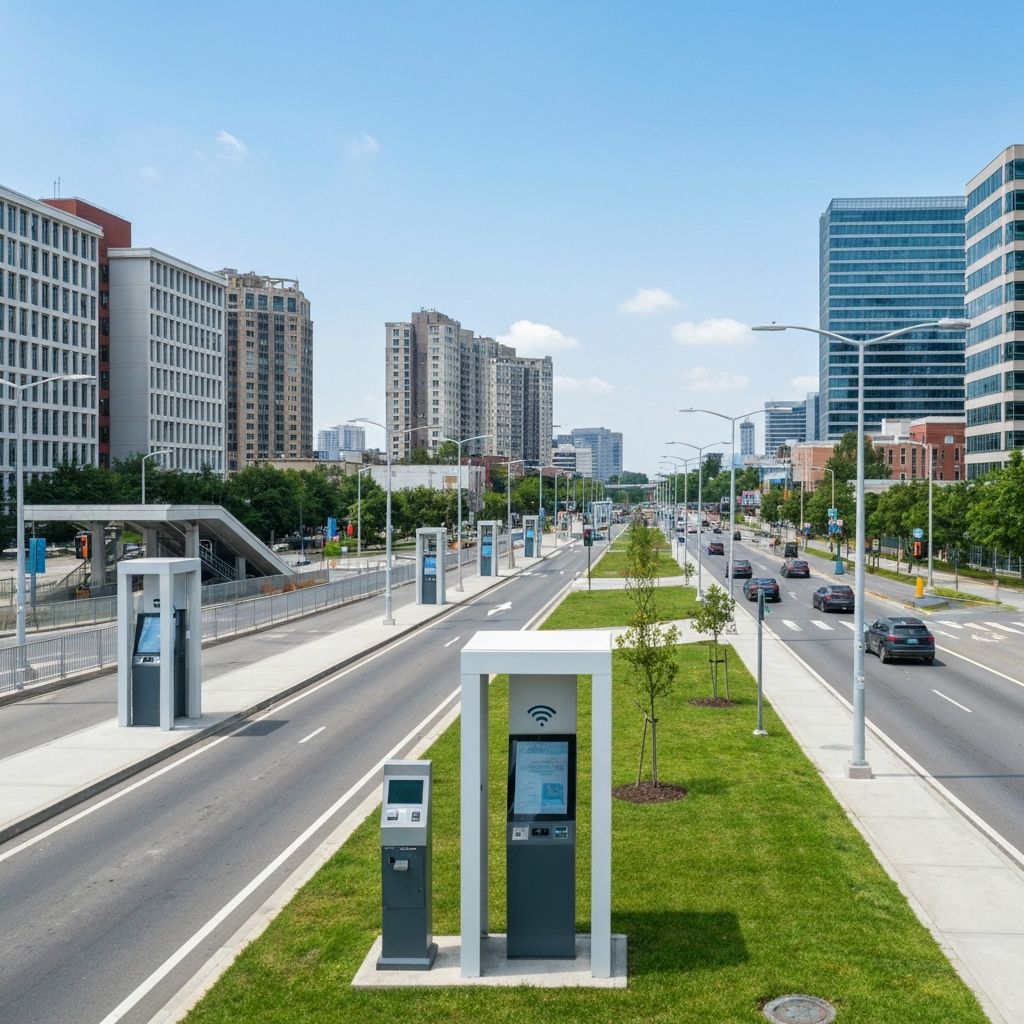
Across North America, a technological transformation is unfolding quietly in city halls and municipal planning offices. Municipalities are taking control of digital infrastructure, installing fiber networks, and creating alternatives to commercial broadband providers. This shift represents more than a technical upgrade—it signals a fundamental reconsideration of how public resources and shared systems should be governed.
The Municipal Broadband Movement
For decades, broadband access was assumed to be something best left to private market forces. Internet service providers would build networks where profitable, and competition would ensure efficiency. Yet this model produced consistent gaps: rural areas without service, urban neighborhoods considered unprofitable, and limited competition in many regions.
Beginning in the late 1990s and accelerating after 2010, cities began to question this assumption. If essential infrastructure like water, electricity, and transportation networks could be publicly owned and operated, why not digital infrastructure? Several factors drove this rethinking: increasing recognition that broadband was becoming essential for economic participation, growing frustration with slow speeds and high prices, and technological advances that made municipal networks economically viable.
Cities like Chattanooga, Tennessee became early pioneers, installing fiber-optic networks that offered gigabit speeds to all residents. Others followed, including Burlington, Vermont; Lafayette, Louisiana; and numerous Canadian cities. Each project faced different technical challenges, regulatory hurdles, and financial pressures, but they all demonstrated that municipal broadband was technically feasible.
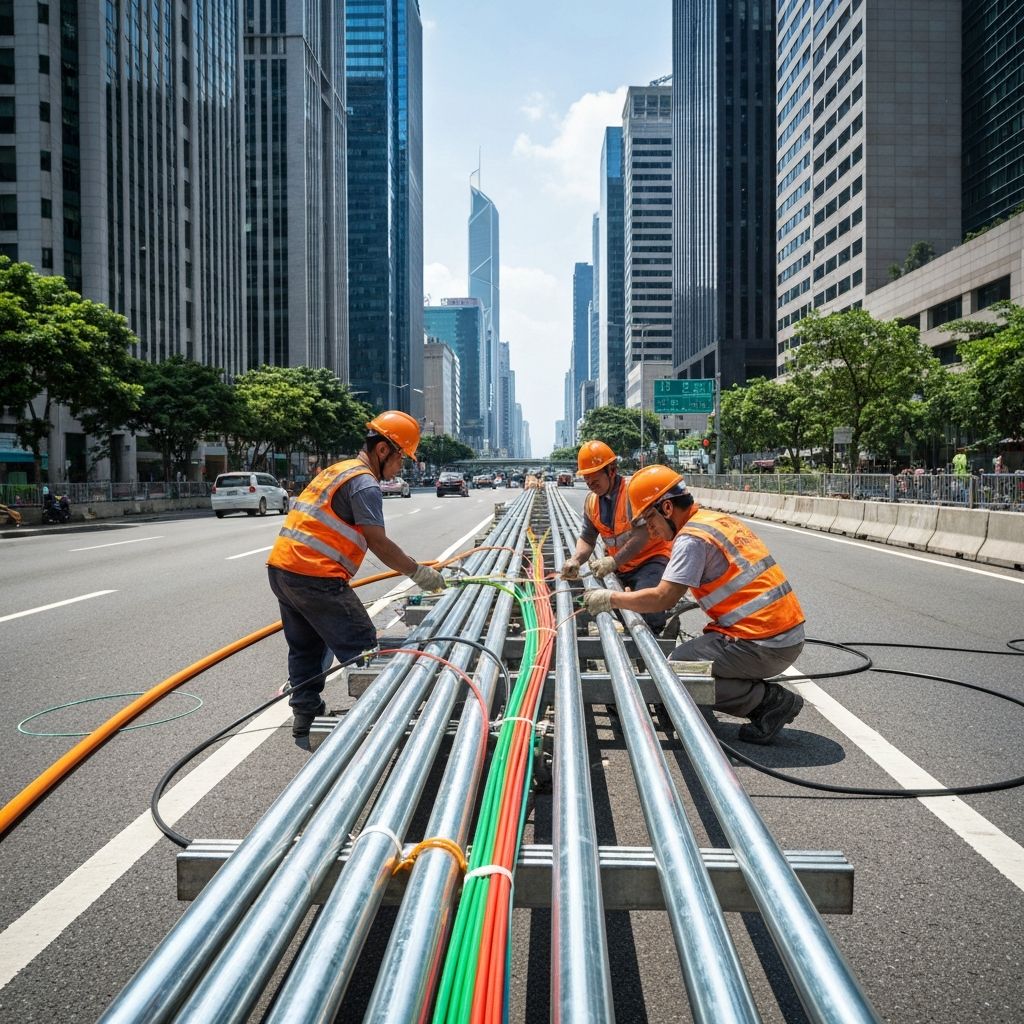
Technical Architecture of Municipal Networks
Municipal broadband systems typically follow one of three models: municipal authorities building and operating networks directly, public-private partnerships where municipalities retain ownership but contract operations to private companies, or community-owned cooperatives that operate networks on behalf of residents.
From a technical perspective, these networks often use fiber-optic technology, which offers superior speed, reliability, and longevity compared to older copper-based infrastructure. Fiber allows symmetrical speeds—equally fast download and upload—which is particularly valuable for businesses and creative workers who need to send large files or stream content.
However, the technical architecture of a network matters less than its governance structure. A well-designed municipal network includes transparent operations, reasonable pricing, service level guarantees, and mechanisms for community input into decision-making. Without these governance elements, a publicly owned network can become as problematic as a poorly regulated private monopoly.
Economic and Social Implications
The economic impact of broadband infrastructure extends far beyond internet access itself. Reliable high-speed connectivity enables remote work, online education, telehealth services, and digital commerce. For small businesses, agricultural operations, and creative entrepreneurs, broadband access is often the difference between viability and collapse.
Municipal broadband projects have documented significant economic benefits: increased remote work opportunities, improved educational outcomes where previously underserved students gain access, and attraction of technology companies to regions with reliable infrastructure. These benefits extend beyond the direct users of the network to entire regional economies.
Social benefits are equally important. Broadband access enables civic participation, access to government services, and connection to educational and cultural resources. During the COVID-19 pandemic, the digital divide became starkly visible as students without home internet access fell behind in remote learning, while healthcare delivery shifted online for those without broadband access.
Challenges and Obstacles
Despite documented successes, municipal broadband projects face significant obstacles. Incumbent providers often lobby against municipal projects, arguing that public ownership is inefficient or that it amounts to unfair competition. Some states have passed laws restricting municipalities from building broadband networks, protecting incumbent carriers' market positions.
Financing is another major challenge. Building fiber infrastructure requires substantial upfront capital investment—often hundreds of millions of dollars for mid-sized cities. Municipalities must find funding through municipal bonds, state grants, or federal programs, each with different requirements and restrictions.
Technical expertise in network operations is also challenging. Operating a broadband network requires specialized knowledge in fiber optics, network management, cybersecurity, and customer service. Smaller municipalities sometimes lack this expertise internally and must either train staff or contract with experienced operators.

The Federal and Regional Policy Landscape
Recent years have brought significant policy changes at the federal level. The Infrastructure Investment and Jobs Act allocated billions of dollars specifically for broadband deployment, with preference for fiber-optic technology and public or nonprofit ownership. This represents a substantial shift toward treating broadband as critical infrastructure worthy of public investment.
At the regional level, provinces and states have adopted varying approaches. Some actively support municipal broadband projects. Others maintain restrictions that protect private provider monopolies. This fragmented policy landscape means that the feasibility and appeal of municipal broadband projects varies dramatically depending on local context.
Looking Forward: Municipal Networks as Public Infrastructure
The quiet revolution in municipal broadband represents a larger conversation about what infrastructure should be publicly owned and how digital systems should be governed. As digital connectivity becomes as essential as electricity or water, the question of whether markets alone can ensure universal access becomes more urgent.
Successful municipal broadband projects suggest that public ownership and operation of digital infrastructure is technically viable, economically sustainable, and socially beneficial. Yet this model requires ongoing public commitment, adequate funding, and political will to maintain against pressure from incumbent providers who benefit from the status quo.
Conclusion
The evolution of internet architecture in civic spaces represents more than technological change—it's about democratic values and economic opportunity. By taking control of digital infrastructure, communities are asserting that connectivity is a public good, not a luxury commodity. As more cities succeed with municipal broadband projects, this quiet revolution may reshape how digital infrastructure is understood and governed across North America.